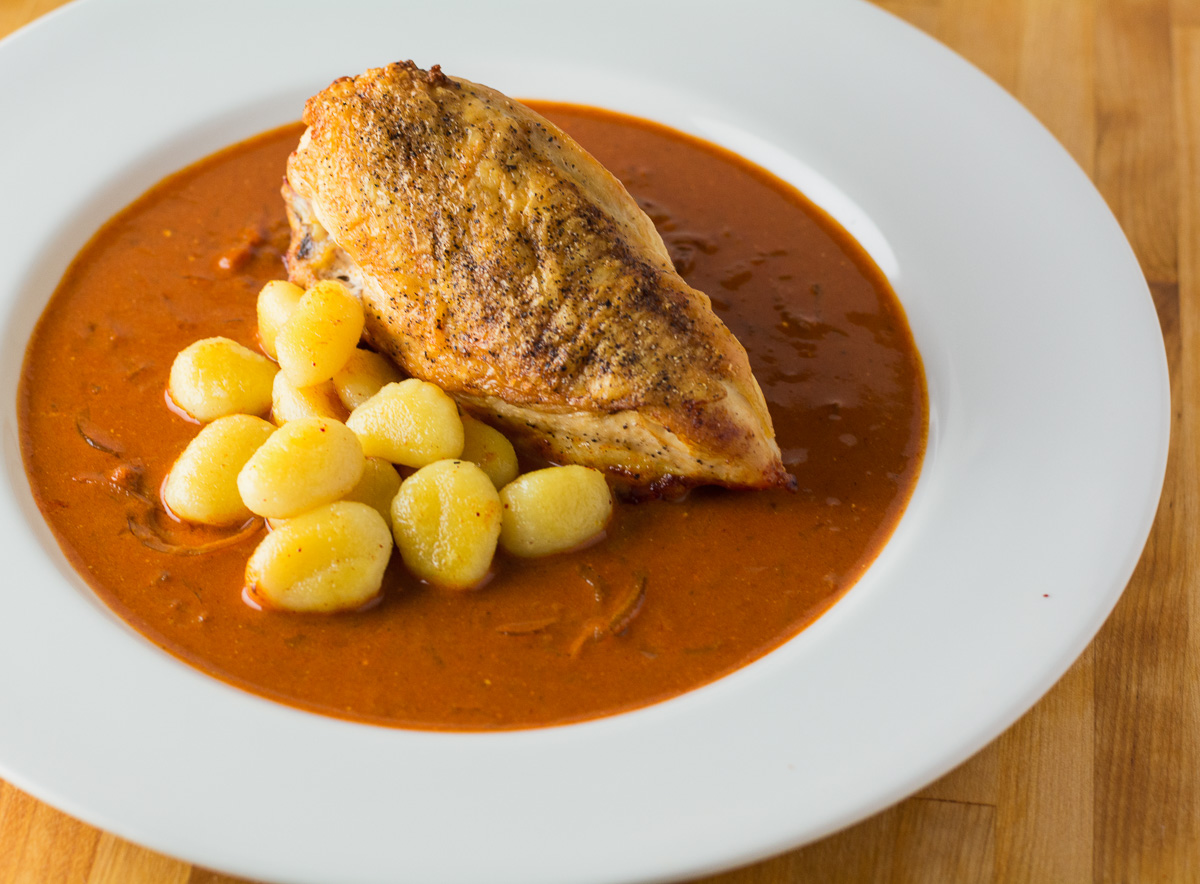
Hungarian Paprika: The Soul of Your Chicken Paprikash (Rethought)
The aroma of Hungarian paprika is unmistakable – a vibrant, earthy, subtly sweet, or fiery scent that promises depth and comfort. It's the very soul of Hungarian cuisine, and nowhere does it shine brighter than in the iconic dish, chicken paprikash. For many, this stew embodies the warmth of home cooking, but what if you could elevate this classic to new heights? What if you could achieve that coveted, slow-cooked, braised tenderness while simultaneously enjoying perfectly crispy chicken skin? This is the essence of a truly
Rethink Chicken Paprikash: Crispy Skin & Braised Flavor, and at its heart lies the unparalleled quality of Hungarian paprika.
This isn't just about cooking a meal; it's about reimagining a culinary experience. Traditional chicken paprikash is a marvel of slow braising, where chicken luxuriates in a rich, paprika-infused sauce. Our "rethought" approach respects this heritage but introduces an innovative technique designed to deliver the best of both worlds: deeply flavored, fall-off-the-bone chicken meat and a delightfully crisp skin, which is often lost in conventional braising. The secret weapon in achieving this culinary paradox? An unwavering commitment to exceptional Hungarian paprika.
The Crimson Gold: Understanding Hungarian Paprika's Legacy
Hungarian paprika isn't just a generic red powder; it's a testament to centuries of cultivation, tradition, and culinary passion. Originating from chili peppers brought to Hungary by the Turks, paprika has evolved into a staple spice, integral to the national identity. Its distinct character comes from specific varieties of peppers, carefully dried and ground, often multiple times, to produce a fine, intense powder.
What sets Hungarian paprika apart are its nuanced flavor profiles and vibrant color. Unlike many other paprikas, which might offer heat without much complexity, Hungarian varieties are celebrated for their balanced taste, ranging from incredibly sweet and mild to delightfully pungent. When you embark on a "chicken paprikash rethought" journey, understanding these distinctions becomes crucial for tailoring the dish to your palate.
Here are the main types you'll encounter and how they can transform your cooking:
*
Édesnemes (Noble Sweet): This is the most common and versatile variety. It boasts a beautiful bright red color and a rich, sweet flavor with a slight pungency. It's the workhorse of Hungarian cuisine and an essential for any paprikash.
*
Félédes (Half-Sweet): Offering a medium pungency, this type provides a gentle warmth without overwhelming the other flavors. It's a fantastic choice for a more balanced heat profile.
*
Csípős (Hot): For those who crave a kick, hot paprika delivers significant heat alongside its characteristic sweet and earthy notes. Use it judiciously or blend it with sweeter varieties.
*
Csemege (Delicacy): A milder version of Noble Sweet, often finely ground and even sweeter. Perfect when you want pure paprika flavor without any heat.
*
Rózsa (Rose): A pale red paprika with a strong aroma and mild pungency.
*
Smoked Paprika (Füstölt paprika): While not traditionally Hungarian in origin, many contemporary recipes, including variations of "chicken paprikash rethought," benefit from a hint of smoked paprika for an added layer of complexity and depth. Its smoky aroma pairs beautifully with chicken and the richness of the sauce.
The region where the paprika is grown also plays a role. Szeged and Kalocsa are two famous Hungarian regions renowned for producing high-quality paprika, often yielding peppers with richer colors and more intense flavors. Investing in paprika from these esteemed regions is a step towards culinary excellence.
The Indispensable Role of Quality Paprika in Your Rethought Paprikash
The adage "you are only as strong as your weakest link" applies perfectly to cooking, especially when the star ingredient is as pivotal as paprika in chicken paprikash. The reference material wisely states, "If your star ingredient is weak your results will be weak." This cannot be overstated. A dull, old, or low-quality paprika will result in a dish that is flat, lacking in color, and utterly devoid of the vibrant character that defines true paprikash.
Imagine attempting a "chicken paprikash rethought" with stale paprika. The color would be muted, the aroma barely perceptible, and the complex flavors that should dance on your tongue would simply vanish. The rich, ruby-red hue, the cornerstone of the dish's visual appeal, would be absent, leaving you with a pale imitation.
How to ensure you're using the best paprika for your dish:
1.
Buy Fresh: Paprika loses its potency over time. Always check the "best by" date and aim to purchase from stores with good turnover. Once opened, it's best consumed within 6 months, though storing it in an airtight container in a cool, dark place can extend its life.
2.
Look for Vibrant Color: High-quality paprika should have a rich, deep red color – never brownish or faded. This vibrancy is a direct indicator of freshness and flavor potential.
3.
Smell it: Fresh paprika has a distinct, sweet, earthy aroma. If it smells dusty or bland, it's likely past its prime.
4.
Consider the Source: As mentioned, Hungarian-made paprika, especially from regions like Szeged or Kalocsa, generally offers superior quality. Look for labels that specify its origin.
5.
Mix and Match to Taste: This is where the "rethought" aspect truly shines. Don't be afraid to combine different types of paprika. Want a touch of smoky depth? Add a teaspoon of smoked paprika. Craving a gentle warmth? Blend noble sweet with a dash of half-sweet. This customization allows you to create a flavor profile that perfectly suits your preference for your
rethought chicken paprikash.
By investing in high-quality, fresh Hungarian paprika, you're not just buying a spice; you're investing in the very soul of your dish, guaranteeing a rich, authentic flavor and a captivating color that will make your chicken paprikash truly unforgettable.
The "Rethought" Revolution: Achieving Crispy Skin with Braised Tenderness
The magic of "chicken paprikash rethought" lies in its ingenious technique: delivering the deep, comforting flavors of a braised dish while preserving the delightful crispness of the chicken skin. This is a departure from traditional braising, where the skin typically softens and loses its texture, becoming an integral part of the sauce rather than a separate, textural highlight.
The core principle of this innovation, as alluded to in our reference, is surprisingly simple yet incredibly effective:
keeping the chicken skin above the sauce at all times. This isn't just a minor tweak; it's a complete shift in technique that yields remarkable results.
Here’s a breakdown of how this "rethought" method works and why it’s a game-changer:
1.
Initial Searing is Key: Begin by searing your chicken pieces skin-side down in a hot pan until deeply golden and crispy. This initial crisping forms a crucial foundation.
2.
Building the Flavor Base: While the chicken is set aside, the traditional paprikash sauce is built in the same pan – onions, bell peppers (optional), and crucially, your high-quality Hungarian paprika. Remember the golden rule: bloom paprika gently in fat, but don't burn it, as it turns bitter quickly.
3.
The Clever Arrangement: Instead of submerging the chicken entirely in the sauce for braising, the "rethought" technique involves arranging the chicken pieces so that only the meat is in contact with the simmering sauce, leaving the skin proudly exposed above the liquid. This can be achieved by using chicken pieces with bones (like thighs or drumsticks) and arranging them carefully in a Dutch oven or a deep baking dish. Sometimes, a little culinary engineering with aromatics (like onion halves or carrots) can help prop the skin up.
4.
Controlled Cooking: The dish then slow-cooks, often in an oven, allowing the meat to gently braise in the rich paprika-infused liquid, absorbing all those incredible flavors and becoming incredibly tender. Meanwhile, the exposed skin continues to crisp and render its fat, transforming into a delectable, golden-brown crackling. This gentle, indirect heat also prevents the skin from drying out while ensuring its crispness.
5.
The Best of Both Worlds: The result is nothing short of revolutionary. Each bite of chicken offers succulent, flavorful meat that has benefited from the slow braise, followed by the satisfying crunch of beautifully rendered, crispy skin. It’s a textural symphony that truly elevates the classic. This approach delivers a depth of flavor that usually comes from prolonged simmering, combined with a textural contrast that makes every mouthful exciting.
To master this technique and truly
Unlock Crispy Skin Paprikash: Keep Skin Above the Sauce, careful attention to your cookware and the arrangement of your chicken is paramount. It's a small adjustment that leads to a monumental difference in your finished dish, making "chicken paprikash rethought" not just a recipe, but a culinary revelation.
Beyond the Pot: Tips for Maximizing Your Paprika Experience
While Hungarian paprika is the undisputed star of paprikash, its versatility extends far beyond. To truly honor this magnificent spice, consider these additional tips:
*
Blooming Paprika: Always "bloom" your paprika in a bit of warm fat (oil or rendered chicken fat) at the beginning of your cooking process. This releases its fat-soluble flavors and color, intensifying its impact. However, be extremely careful not to burn it, as scorched paprika becomes bitter and ruins the dish. A quick sauté for 30 seconds to a minute is usually enough before adding liquid.
*
Storage is Key: Paprika's enemies are light, heat, and air. Store it in an airtight container in a cool, dark pantry or even in the refrigerator to preserve its vibrant color and potent flavor for longer.
*
Experiment with Other Dishes: Don't limit your quality Hungarian paprika to paprikash! It's fantastic in goulash, lecso (Hungarian vegetable stew), scrambled eggs, roasted potatoes, rubs for grilled meats, and even sprinkled over hummus or deviled eggs for a pop of color and flavor.
*
Layering Flavors: In dishes like "chicken paprikash rethought," consider adding paprika at different stages. A base layer bloomed with onions, and then another sprinkle towards the end for a fresh burst of color and aroma.
Embracing these practices ensures that you get the most out of every pinch of this precious spice, transforming everyday meals into extraordinary culinary experiences.
Conclusion: The Enduring Legacy of Hungarian Paprika in Modern Cuisine
Hungarian paprika is far more than just a seasoning; it is the vibrant heart of a rich culinary tradition and the indispensable star of any true paprikash. By understanding its varieties, appreciating its quality, and mastering its use, you unlock a world of flavor. The "chicken paprikash rethought" method exemplifies how innovation can elevate classic dishes, marrying the comfort of braised meat with the delightful crunch of crispy skin, all made possible by the unparalleled character of high-quality Hungarian paprika. So, next time you reach for that crimson powder, remember its power, respect its legacy, and prepare to create a dish that is both a nod to tradition and a triumph of modern culinary artistry. Your taste buds will thank you.