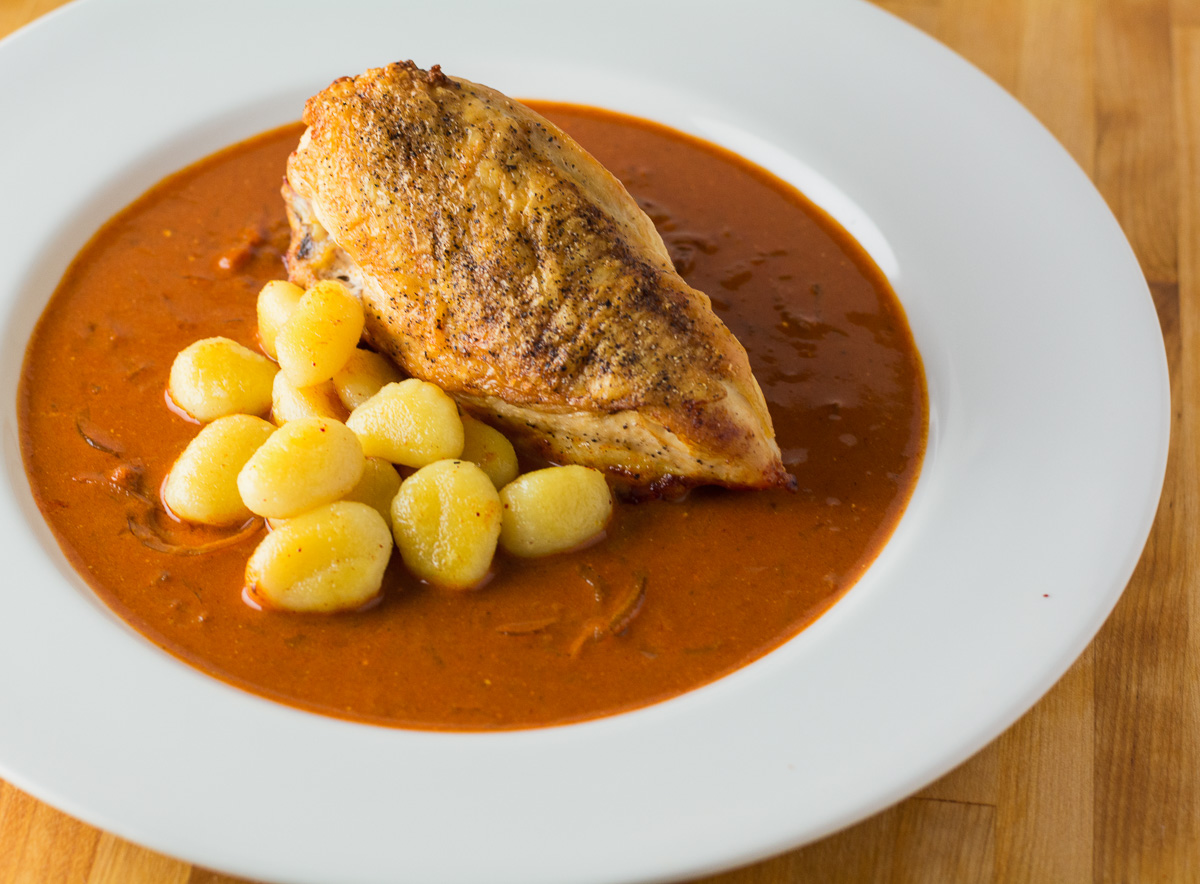
The Evolution of a Classic: Rethinking Chicken Paprikash for Crispy Perfection
Chicken Paprikash holds a revered place in culinary history, a dish synonymous with comforting, deeply flavorful Hungarian cuisine. Traditionally, it's a braised masterpiece, where chicken simmers gently in a rich, paprika-infused sauce until it's melt-in-your-mouth tender. The resulting dish is undeniably delicious, but there's one common concession: the chicken skin, usually a prized texture, inevitably softens and becomes part of the sauce. What if you could capture all the complex, braised flavor you adore while simultaneously achieving that coveted, crackling-crisp skin? This isn't about abandoning tradition entirely, but rather a thoughtful innovation – a way to truly rethink chicken paprikash and elevate its textural appeal. This article delves into an ingenious approach that offers the best of both worlds: succulent, flavor-infused chicken beneath a golden, crispy skin, all swimming in that familiar, velvety paprika sauce. It’s a testament to how slight adjustments in technique can unlock new dimensions in even the most classic recipes, inviting you to experience an old favorite with a fresh perspective.The Culinary Conundrum: Braised Tenderness vs. Crispy Skin
Traditional chicken paprikash is a masterclass in slow cooking. The essence of the dish lies in the gentle braising of chicken pieces, typically bone-in, skin-on thighs and drumsticks, in a savory broth enriched with onions, sweet peppers (sometimes), and, of course, generous amounts of Hungarian paprika. This process allows the flavors to meld beautifully, rendering the chicken incredibly tender and infusing the sauce with its savory juices. However, the very act of braising in liquid is antithetical to crispy skin. The moisture and steam created during cooking hydrate the skin, preventing it from drying out and crisping up. For many, this is a minor detail, part of the dish's rustic charm. But for those who appreciate the delightful textural contrast of a perfectly rendered, crisp chicken skin, it presents a dilemma. How can one preserve the deep, comforting flavors of a braised dish while allowing the skin to achieve that golden, delicate crunch? The answer lies in a clever technique that isolates the skin from the braising liquid for the majority of the cooking time, leading to a truly reinvented experience.The Innovation: A Technique for Crispy-Skinned Paprikash
The core principle behind this innovative take on chicken paprikash rethought is elegantly simple: *keep the chicken skin above the sauce*. This might sound straightforward, but executing it requires a bit of foresight and strategic layering. By ensuring the skin remains exposed to dry heat rather than submerged in the simmering liquid, it has the opportunity to crisp up beautifully. Here’s how this brilliant technique generally works: 1. Initial Sear: Begin by searing the chicken, skin-side down, in a hot pan until the skin is deeply golden and rendered. This crucial first step builds flavor and kick-starts the crisping process. 2. Building the Sauce: Remove the chicken temporarily. Build your foundational sauce with sautéed onions, garlic, and the star ingredient – paprika – careful not to burn it. Deglaze with broth or water, then add other aromatics or a touch of tomato paste if desired. 3. Strategic Placement: This is where the magic happens. Instead of fully submerging the chicken, you'll strategically place the seared pieces skin-side up on top of the sauce. The sauce should come up to just below the skin line, allowing the chicken to braise *within* the flavorful liquid while its skin remains elevated and exposed. This can be achieved in a wide, shallow pot or Dutch oven, or by slightly stacking the chicken pieces if necessary. 4. Braising and Finishing: Cover the pot for a portion of the cooking time to allow the chicken to cook through and absorb flavors, then potentially finish uncovered in the oven to further crisp the skin and concentrate the sauce. The result is truly extraordinary. The meat beneath the skin becomes incredibly tender, infused with the rich, savory notes of the paprika-laden sauce. Meanwhile, the skin transforms into a delightful, crunchy counterpoint, adding an unexpected textural dimension that makes every bite exhilarating. To master this technique, remember the golden rule: Unlock Crispy Skin Paprikash: Keep Skin Above the Sauce. It's the secret weapon for this culinary transformation.Paprika: The Soul of Your Rethought Paprikash
No discussion of paprikash, whether traditional or rethought, can ever overlook the indispensable role of paprika itself. It's not just a spice; it's the very soul of the dish, providing its characteristic color, aroma, and nuanced flavor. When embarking on a journey to rethink chicken paprikash, investing in high-quality Hungarian paprika isn't just a recommendation – it's an absolute necessity. As the adage goes, if your star ingredient is weak, your results will be weak. Hungarian paprika is not a monolithic spice. It comes in various grades and flavor profiles, each offering a distinct contribution to your dish: * Sweet Paprika (Édesnemes): This is the most common type, offering a vibrant red color and a mild, sweet peppery flavor without any heat. It forms the backbone of most paprikash recipes. * Delicate Paprika (Csemege): Similar to sweet paprika but often slightly more aromatic and robust. * Hot Paprika (Csípős Csemege or Erős): For those who appreciate a kick, hot paprika provides a noticeable warmth alongside its fruity notes. Use sparingly or mix with sweet paprika to control the heat level. * Smoked Paprika (Füstölt Paprika): While not strictly traditional for Hungarian paprikash, a small addition of smoked paprika (often Spanish Pimentón de la Vera) can introduce a wonderful, complex smokiness that complements the chicken and deepens the overall flavor profile. It’s an excellent way to personalize your "rethought" recipe.Tips for Paprika Perfection:
* Freshness is Key: Paprika loses its potency and vibrant color over time. Always use fresh paprika, preferably purchased from a reputable source that frequently replenishes its stock. Store it in an airtight container in a cool, dark place. * Blooming the Paprika: To unlock its full flavor and color, paprika is often "bloomed" in fat (like rendered chicken fat or oil) at the beginning of the cooking process. However, it's crucial to remove the pan from the heat *before* adding the paprika, stirring it in quickly, and then immediately adding liquid (like broth or water). Paprika burns easily, and burnt paprika turns bitter, ruining the dish. * Layering Flavors: Don't be afraid to mix and match. A base of sweet paprika, with a touch of hot for warmth or smoked for depth, can create a beautifully complex flavor profile unique to your kitchen.For an even deeper dive into this essential ingredient, explore Hungarian Paprika: The Star of Your Paprikash Dish.
